Dive into the World of Water-Based Paint: A Beginner's Guide
Introduction to Water-Based Paints: What are They and Why Use Them?
Water-based paints, likewise referred to as latex or acrylic paints, are a kind of paint that utilizes water as its primary solvent. Unlike oil-based paints, which utilize petroleum-based solvents, water-based paints are made with water as the primary ingredient. This makes them a lot easier to tidy up and less harmful to the environment.
There are several advantages to using water-based paints. They are much safer полагане на силиконова мазилка https://dixipro.bg/ to use than oil-based paints. Oil-based paints include volatile organic compounds (VOCs) that can be harmful to your health and the environment. Water-based paints, on the other hand, have low or no VOC material, making them a much more secure choice.
Water-based paints likewise dry much faster than oil-based paints. This indicates that you can finish your painting job in a much shorter quantity of time and carry on to other jobs. Additionally, water-based paints have less smell than oil-based paints, making them more pleasant to deal with.
Benefits and Disadvantages of Water-Based Paints: A Comparison with Oil-Based Paints
While there are numerous advantages to using water-based paints, there are likewise some disadvantages to think about. One of the primary benefits of water-based paints is their ease of use.
Another benefit of water-based paints is their adaptability. They can be utilized on a variety of surface areas, including wood, metal, and drywall. They likewise can be found in a wide range of colors and surfaces, enabling you to achieve the wanted try to find your task.
Nevertheless, there are some downsides to utilizing water-based paints as well. One of the primary drawbacks is that they may not adhere too to particular surface areas as oil-based paints do. This can be an issue if you are painting a surface area that is prone to wetness or high humidity.
Another drawback of water-based paints is that they may not supply as smooth of a finish as oil-based paints. This is specifically true when it concerns painting trim or other in-depth areas. Oil-based paints tend to level out better and supply a smoother surface.
Types of Water-Based Paints: Acrylic, Latex, and Enamel
There are a number of types of water-based paints readily available on the market, consisting of acrylic, latex, and enamel paints. Each type has its own special homes and usages.
Acrylic paints are made with acrylic resins and are known for their resilience and versatility. They dry quickly and offer a smooth, even complete. Acrylic paints are commonly utilized for interior walls, furnishings, and crafts.
Latex paints are similar to acrylic paints however are made with a different type of resin. They are also understood for their toughness and versatility, but they have a somewhat various texture and surface. Latex paints are frequently used for exterior surfaces, such as siding and trim.
Enamel paints are a type of water-based paint that supplies a hard, shiny finish. They are frequently used for high-traffic areas, such as doors and cabinets, as they are more resistant to wear and tear than other types of water-based paints.
Choosing the Right Paint for Your Project: Factors to Consider
When picking the right paint for your task, there are a number of elements to consider. You require to think about the type of surface area you will be painting. Various surface areas require different types of paint, so it's essential to choose a paint that is particularly created for the surface you will be dealing with.
You likewise require to think about the environment in which the paint will be applied. If you are painting an outside surface area, you will need a paint that is resistant to UV rays and weathering. If you are painting an interior surface, you might wish to select a paint that is resistant to spots and easy to tidy.
Color and surface are also essential elements to think about. Water-based paints been available in a vast array of colors and surfaces, so you can choose the ideal shade and sheen for your task. Consider the total aesthetic you are attempting to accomplish and choose a paint that complements your design.
Lastly, you need to consider your spending plan. Water-based paints are normally more budget-friendly than oil-based paints, but there can still be a significant price difference between various brand names and types of paint. Set a budget plan for your project and choose a paint that fits within your rate variety.
Preparing Your Surface for Water-Based Paint: Cleaning and Priming
Before you can begin painting with water-based paint, it's essential to properly prepare your surface. This includes cleaning up the surface area and using a guide.
Cleaning the surface area is necessary to make sure that the paint adheres effectively. Use a mild detergent and water to clean the surface, getting rid of any dirt, dust, or grease. Rinse the surface area completely and allow it to dry completely before using the paint.
When the surface is clean, you may need to use a guide. Priming helps to seal the surface area and supply a smooth, even base for the paint. It likewise helps the paint adhere better and enhances its toughness. Pick a guide that is particularly created for water-based paints and follow the maker's instructions for application.
Tools and Equipment Needed for Water-Based Painting: Brushes, Rollers, and Sprayers
To apply water-based paint, you will require a couple of basic tools and equipment. The most common tools utilized for water-based painting are brushes, rollers, and sprayers.
Brushes are used for in-depth work and smaller sized locations. They are available in various sizes and shapes, so you can select the ideal brush for your job. Artificial brushes are advised for water-based paints, as they hold the paint much better and supply a smoother finish.
Rollers are used for bigger locations and can cover a larger area faster than brushes. They can be found in numerous sizes and nap lengths, so you can pick the ideal roller for your project. Foam or synthetic rollers are suggested for water-based paints, as they provide a smoother surface.
Sprayers are another alternative for using water-based paint, particularly for larger projects or when a smooth finish is desired. They can be utilized with both airless and HVLP (high volume, low pressure) systems. Sprayers offer a more even application and can save time compared to brushes or rollers.
Methods for Applying Water-Based Paint: Brushing, Rolling, and Spraying
There are a number of methods that can be used to apply water-based paint, depending upon the tools you are utilizing. The most common methods are brushing, rolling, and spraying.
Brushing is the most conventional method of using paint and is often utilized for detailed work or smaller sized areas. To brush on water-based paint, dip the brush into the paint and get rid of any excess by tapping it against the side of the container. Apply the paint in smooth, even strokes, working from leading to bottom or delegated right.
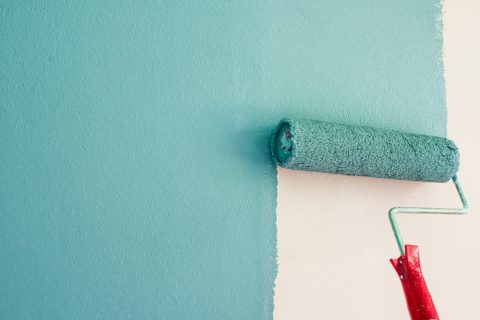
Rolling is a much faster method of using paint and is typically utilized for larger locations. To roll on water-based paint, put the paint into a roller tray and dip the roller into the paint. Roll off any excess on the tray's ridges. Use the paint in a "W" or "M" pattern, working in small sections at a time.
Spraying is an advanced technique that needs specific equipment. To spray water-based paint, fill the sprayer with paint and adjust the settings according to the maker's instructions. Hold the sprayer about 12 inches far from the surface area and apply the paint in even, overlapping strokes.
Tips for Achieving a Professional Finish: Avoiding Drips, Runs, and Brush Marks
To accomplish an expert surface with water-based paint, it's crucial to use appropriate application methods and avoid common errors. Here are some suggestions to help you achieve a smooth, even finish:
- Use the right tools for the task. Select brushes, rollers, or sprayers that are specifically created for water-based paints. This will assist you accomplish much better protection and a smoother finish.
- Apply the paint in thin, even coats. Avoid applying excessive paint at once, as this can result in drips, runs, and brush marks. Instead, use numerous thin coats, allowing each coat to dry entirely before using the next.
- Use long, smooth strokes. Whether you are brushing, rolling, or spraying, utilize long, smooth strokes to apply the paint. This will assist minimize brush marks and guarantee an even application.
- Work in little areas at a time. Instead of trying to cover the whole surface simultaneously, operate in small sections. This will permit you to preserve control over the paint and ensure an even application.
Achieving an expert finish takes time and patience. Take your time and follow the appropriate strategies for applying water-based paint.
Tidying up After Water-Based Painting: Proper Disposal and Storage
After you have finished painting with water-based paint, it's important to appropriately clean up and deal with any leftover paint. Here are some pointers for cleaning up after water-based painting:
- Clean your brushes, rollers, and sprayers instantly after use. Use soap and water to tidy brushes and rollers, and follow the producer's directions for cleaning sprayers.
- Dispose of any remaining paint appropriately. If you have any remaining paint that you don't plan on utilizing again, check with your regional waste management facility for proper disposal directions. Some areas allow you to dry the paint and deal with it with routine household trash, while others require you to take it to a contaminated materials facility.
- Store any leftover paint and devices correctly. If you have leftover paint that you intend on utilizing once again, ensure to store it in a cool, dry location. Seal the container firmly to prevent air from getting in and triggering the paint to dry out.
Conclusion: Embracing the Versatility and Sustainability of Water-Based Paints
In conclusion, water-based paints provide numerous benefits over oil-based paints. They are much safer to utilize, dry much faster, and have less odor. They also are available in a wide variety of colors and surfaces, making them a flexible choice for any project.
While there are some downsides to utilizing water-based paints, such as their prospective lack of adhesion and smoothness compared to oil-based paints, these can be overcome with appropriate surface preparation and application strategies.
By thinking about factors such as surface area type, environment, color and surface, and budget plan, you can choose the ideal water-based paint for your project. Effectively preparing your surface area, using the right tools and devices, and using the paint with the appropriate strategies will assist you achieve an expert surface.
Finally, it's essential to tidy up effectively after water-based painting by getting rid of any leftover paint according to regional guidelines and keeping any remaining paint and equipment properly. By embracing the flexibility and sustainability of water-based paints, you can develop stunning, lasting finishes while decreasing your influence on the environment.